Tag: Skill Progression

Learning Poker Without Feeling Overwhelmed
Entering the world of poker can feel like stepping into a foreign country where everyone speaks a different language. Between the mathematical jargon, the psychological mind games, and the endless variations, beginners often feel lost before they even play a hand. Fortunately, by breaking down the game into manageable milestones, you can learn the ropes at your own pace and enjoy the journey.
Start with the Absolute Basics
Your first step should always be memorizing the basic hand rankings, which form the foundation of every major poker variant. Trying to learn complex strategies before you can instantly recognize a straight or a flush will only lead to frustration. Spend a few days observing free-play games online to see how these hands interact in real-time scenarios.
Once you are comfortable with hand values, focus entirely on the flow of a single game, preferably Texas Hold'em. This variant is widely considered the best teaching tool because of its straightforward rules and widespread availability. By keeping your initial scope narrow, you avoid the mental fatigue of switching between different rule sets.
Embrace the Power of Position
One of the most transformative concepts for a beginner to grasp is table position, which dictates when you act during a hand. Sitting in late position allows you to see how your opponents act before you have to make a decision. This extra information significantly reduces the pressure on you and makes your choices much clearer.
Conversely, playing from early position forces you to act with zero information, which is where many beginners make costly mistakes. To minimize stress, simply fold your marginal hands when you are first to act and wait for better opportunities. For a stress-free environment to test these positional strategies, using a reliable M88 Sport login can connect you to excellent beginner-friendly tables.
Focus on One Decision at a Time
It is easy to get caught up in predicting what will happen on the final round of betting before the first cards are even dealt. Instead, train your mind to focus strictly on the immediate decision in front of you during the current street. Breaking each hand down into distinct, sequential choices prevents your brain from overloading with hypothetical scenarios.
Remember that poker is a game of incomplete information, and making mistakes is an essential part of the learning curve. Even seasoned professionals occasionally misread a board or make an incorrect calculation. Treating each session as a low-stakes experiment helps remove the fear of making errors and keeps the game fun.
Establish a Simple Study Routine
You do not need to spend hours analyzing complex probability charts to improve your game. Instead, dedicate just fifteen minutes a day to reading a basic strategy article or watching an instructional video. Consistently digesting small amounts of high-quality information is far more effective than trying to memorize an entire textbook in one weekend.
As you progress, try to review a few of your played hands to see where you could have made better decisions. Focus on understanding why a choice was correct or incorrect rather than focusing solely on whether you won or lost the chips. This analytical approach builds deep confidence and ensures your skills grow steadily over time.
Manage Your Bankroll Wisely
Nothing creates more psychological overwhelm than playing with money you cannot afford to lose. Setting aside a dedicated, small sum specifically for your poker education instantly removes the emotional weight of individual losses. This structural boundary allows you to focus purely on learning strategy rather than worrying about the financial outcome.
When you eliminate monetary stress from the equation, poker transforms from a high-pressure gamble into an engaging intellectual puzzle. Start at the lowest possible micro-stakes to practice your newly acquired skills without risk. This disciplined approach ensures that you can enjoy the game sustainably for many years to come.
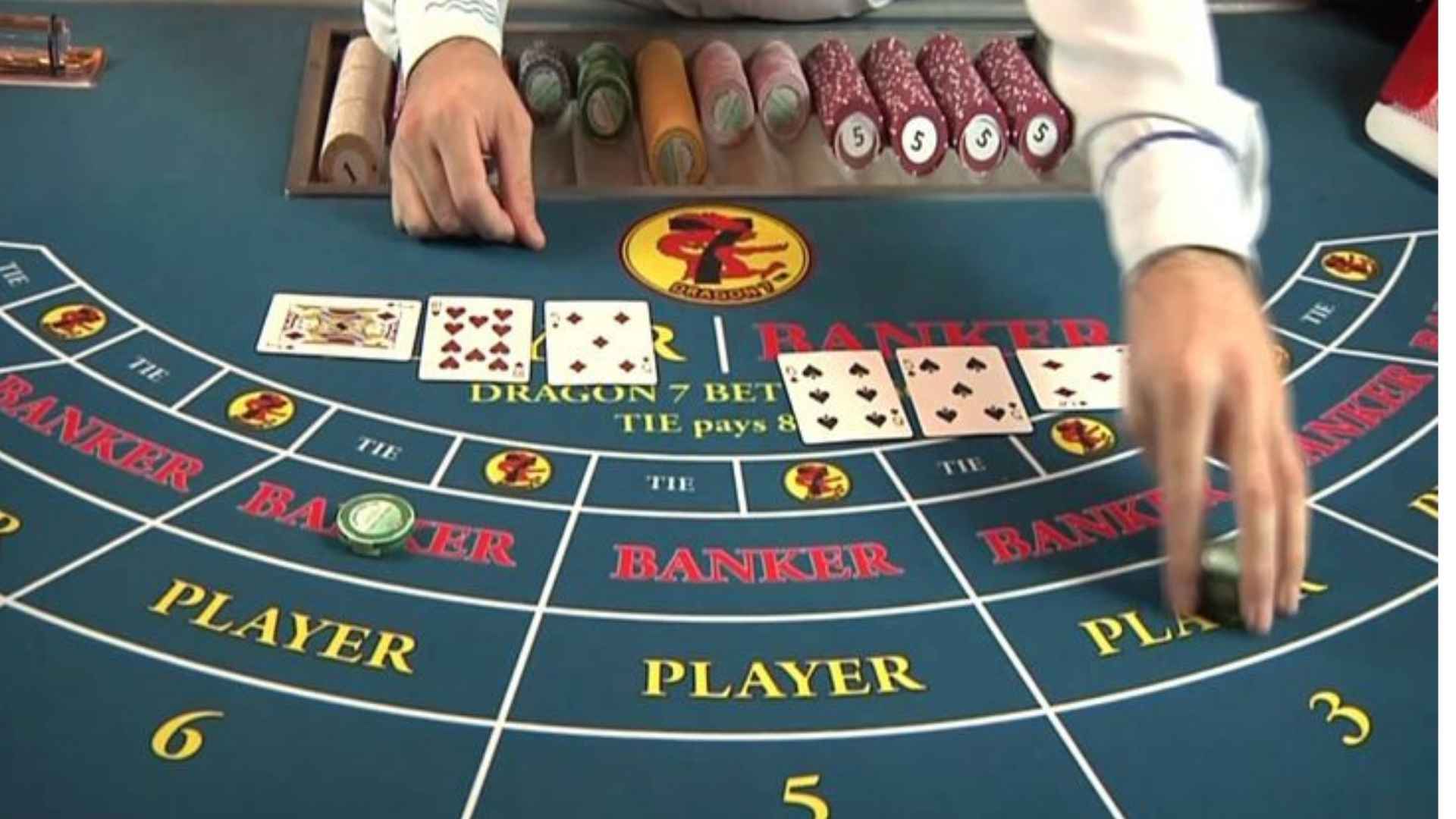
Number Games With Creative Gameplay
The world of puzzle design has experienced a massive shift over the last few years, transitioning from standard equations into rich, interactive landscapes. Number games with creative gameplay are redefining how players interact with mathematics, proving that logical constraints can inspire incredible imagination. By blending traditional arithmetic with narrative paths, dynamic visual design, and unexpected strategic elements, modern developers are capturing the attention of audience groups who never previously considered themselves fans of math puzzles.
The Evolution of Modern Interactive Math Puzzles
For decades, digital numerical challenges rarely moved beyond basic grids or simple flashcard style layouts. Today, innovative designers are introducing complex systems where digits control environmental gravity, shape landscape architecture, or dictate character movements in virtual worlds. This modern perspective turns abstract computation into a tangible tool for navigation, which vastly deepens the immersion for casual and hardcore enthusiasts alike.
Furthermore, these adaptive mechanics naturally reduce the mathematical anxiety that many individuals experience when facing plain text worksheets. When numbers represent concrete actions or unlock hidden narrative paths, solving them feels less like a classroom chore and more like uncovering an ancient mystery. This cultural shift has welcomed a highly diverse audience into the global logic gaming community.
How Unique Design Choices Foster Higher Brain Function
Traditional repetition can strengthen memory, but creative variations are what truly enhance cognitive flexibility and creative problem-solving skills. By forcing participants to view numerical values through multi-dimensional frameworks, these applications train the brain to see non-obvious patterns from fresh perspectives. Players learn to balance tactical resource management alongside long-term strategic positioning, which exercises multiple cognitive regions simultaneously.
Many contemporary platforms integrate collaborative multiplayer elements where distinct logic enthusiasts work together to crack grand numerical codes. Exploring specialized gaming networks through a secure login situs m88 can help you discover active communities focused on strategic thinking and modern puzzle designs. Sharing diverse approaches with global players often reveals unique logic combinations that you might never have discovered while playing entirely on your own.
Practical Tips for Finding Innovative Numerical Challenges
Finding high-quality options requires looking past standard marketplace storefronts and seeking out independent experimental developers. Look for titles that emphasize procedural generation, ensuring that every session features entirely unique rule variations and grid formations. These specific choices guarantee excellent long-term replay value and keep your analytical reasoning sharp over extended periods.
Additionally, reading comprehensive user reviews can give you a clear understanding of whether a game truly introduces fresh mechanics or simply copies older formats. Prioritize options that provide interactive tutorials, which allow you to absorb complex rules naturally through direct interaction rather than massive walls of text. A steady learning curve ensures that your daily training sessions remain deeply engaging without feeling frustrating.
The Future Horizon of Analytical Entertainment
As virtual and augmented reality technologies continue to advance, the potential for spatial numerical challenges will expand dramatically. Imagine manipulating massive three-dimensional digital equations floating right in your living room or using arithmetic to solve environmental puzzles during a physical walk through a local park. The boundary between digital entertainment and real-world calculation is set to disappear completely over the next decade.
Ultimately, the continuous rise of these creative systems ensures that logic-based media will remain a cornerstone of modern educational entertainment. By choosing platforms that prioritize narrative depth and clever interactive design, you can enjoy a perfect blend of high-level mental sharpening and relaxing leisure. Embracing these advanced mathematical concepts opens up an incredibly rewarding world of structured imagination.